
Identifying your target audience is crucial to the success of your digital marketing efforts and ultimately business success. Below you’ll find information on:
You’ve got to know what you’re selling, how you’re selling it and to whom. In this article we tackle the whom. Understanding your target audience is the first fundamental step in a successful digital marketing strategy. If you’ve not got a buyer persona printed and on your office wall, then this article is for you. Until you can nail your ideal customer profile and what you can offer them, do not pass go, do not collect £200, but do read on.
What is a target audience?
A target audience is a specific group of people that your product, service, or message is aimed at reaching. As a business, identifying a target audience is essential for creating effective marketing campaigns. To determine a target audience, it is important to consider factors such as age, gender, income, education level, geographic location, and interests. By understanding the characteristics of your target audience, you will be able to tailor your messaging and strategies to better reach and engage with those individuals in order to increase sales.
Target Market vs Target Audience
When it comes to marketing, understanding the difference between a target market and a target audience is crucial. While the two terms are often used interchangeably, they refer to slightly different things.
A target market is a broad group of people who share certain characteristics that make them more likely to be interested in a particular product or service. For example, a target market for a gym might be people who are interested in fitness and health.
On the other hand, a target audience is a specific group of people within a target market who are the intended recipients of a particular marketing message. For example, within the target market of people interested in fitness and health, a gym might have a target audience of women between the ages of 25 and 45 who are looking to lose weight.
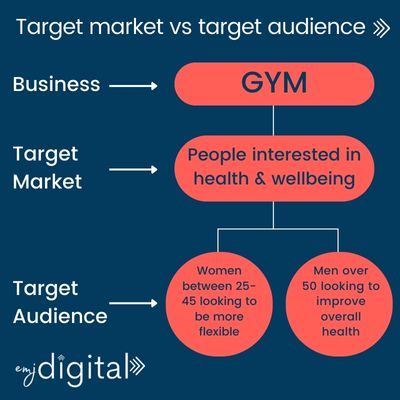
Understanding the difference between your target market and a target audience is important as it will allow you to create more effective marketing strategies. By identifying a target market and then narrowing down to a specific target audience, you can create messages that are tailored to the needs and interests of a specific group, resulting in higher engagement and conversion rates.
Now let’s talk through the best practice to identify your target audience and creating your buyer personas.
Audience research
It’s time to dig deep. Who is your existing customer? If you already have a website, social media and people who buy from you then you will already have online tools and analysis available, look at your google analytics and social media channels to start narrowing down on details like:
- Age
- Gender
- Location
- Values
- Beliefs
- Language
- Spending powers and patterns
- Interests
- Behaviours
- Challenges
- Which social media channels they hang out on
- How they like to absorb information
If you do not yet have a website or use social media then these are the types of questions you need to try and answer. You may know who your target market is but now try to narrow down on a few different target audiences. Start to build information on their persona through asking yourself roughly what age are they likely to be, what location will they be in and so on. You can also look at who your competitors are targeting using tools like Buzzamo and Hootsuite search streams.
Identify your audience goals and pain points
Your customers’ goals are the things they want to achieve, while their pain points are the problems or challenges they face. Understanding these two aspects can you create content and information that are tailored to meet the specific needs of your target audience.
If you already have customers you may wish to conduct surveys or interviews to ask them about their aspirations and objectives. Also using this method to understand what challenges and obstacles they face. The information collected here can then be used to develop marketing campaigns that appeal directly to your customer motivations and desires, and to address pain points improving the overall customer experience.
Check out the short video below which talks about identifying your audience pain points.
Solving your buyers’ challenges
If you can understand and address the challenges that your prospective buyers may face during any part of the customer journey you can increase the likelihood that they become an actual customer.
One common challenge that buyers face is a lack of information about the product or service they are interested in. To solve this, provide clear and concise product descriptions, specifications, and photos. Consider creating a FAQ section on your website or social media pages to address common questions and concerns.
Another challenge is the need for reassurance and trust in the seller. You can build trust by providing excellent customer service, being transparent about your policies and procedures, and offering guarantees or warranties. Encourage buyers to leave reviews and feedback, making use of these testimonials through your digital marketing and respond promptly and professionally to any inquiries or issues they may have.
Finally, buyers may face challenges related to the purchasing process itself, such as difficulty navigating your website or confusion about payment options. To solve this, ensure that your website is user-friendly and easy to navigate. Clearly outline your payment options and policies, and provide multiple channels of communication for customer support.
By addressing these challenges, and by taking the time to listen to and understand your customers, your businesses can create exceptional experiences that truly meet their needs, leading to increased customer satisfaction and loyalty.
Creating buyer personas
A buyer person is a fictional representation of your ideal customer, an example of your target audience with their detail laid out ready to consider for business and marketing activity. Having completed the research above you are now in the position to start creating a persona, feel free to use this handy buyer persona template by clicking on the image below.
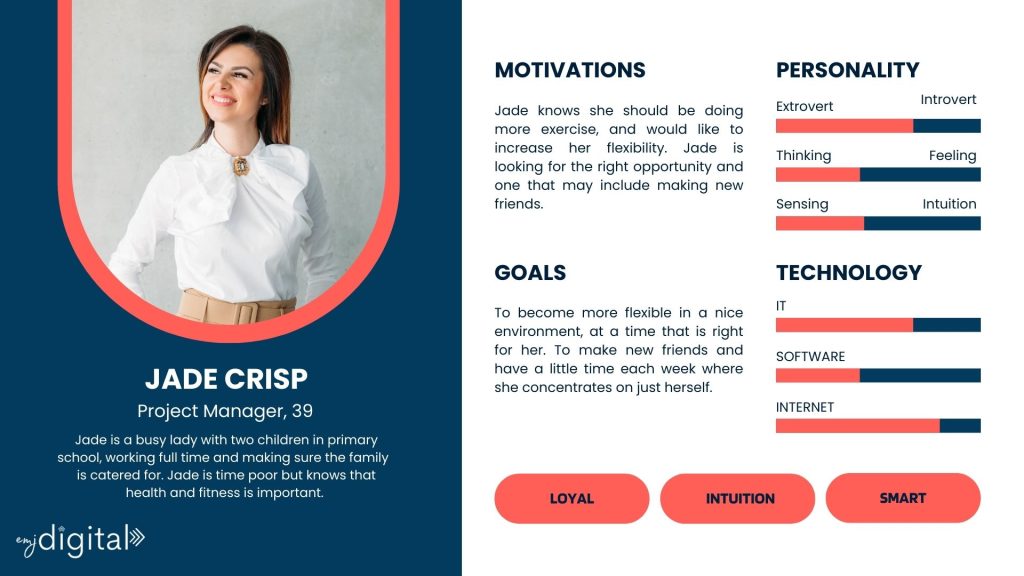
Start by giving your persona a name, a job title, and a brief description of their background. Include the detail you have gathered such as their age, gender, location, education level, income, and family status. Then, list their goals, challenges, pain points, and how your product or service can help them.
Don’t worry if you don’t know all of this information as you can continue to add to the template as you find out more, maybe some bits of information are more important than others so as long as you have that information the template will be a valuable asset to your marketing armour. As suggested above it is likely that you will have more than one target audience so don’t be shy rinse and repeat this process to create a additional personas.
Whilst this may all seem like a lot of work don’t underestimate the importance of this process, by really understanding who your ideal customer is you can tailor your messaging, and product offerings to better meet their needs, ultimately driving more sales and customer loyalty.
Targeting the perfect customer, getting prospects to engage with you online, building brand awareness, directing traffic to your website and building an online community around your business is an important first step in your marketing armour that needs to be addressed. To learn how to maximise your business goals through marketing and see an increase in sales then join me for a Power Hour or let’s analyse where you are now to map out your digital marketing strategy.
Leave a Reply